
| TL;DR: As search evolves from keyword matching to intent-based AI synthesis, SEO success now depends on providing structured, high-value answers that earn citations in AI summaries. By focusing on original expertise and technical clarity, brands can move from being a mere search result to a trusted authority in an AI-first ecosystem. |
The search landscape is undergoing its most significant shift since the invention of the backlink. With the integration of generative models into platforms like Google and Bing, we have moved beyond simple link lists toward synthesized, direct answers. Navigating this change requires a move toward AI SEO, where the goal is no longer just ranking on page one, but becoming the cited authority within an AI search engine response.
At Ooptiq, we focus on business-first architecture, ensuring your digital presence is technically ready for this transition. To thrive in an era of AI optimization, brands must look past traditional metrics and focus on becoming the most citable source in the room.
The fundamental shift lies in how information is consumed. Unlike traditional systems that match keywords, AI search focuses on understanding the specific intent behind a query. AI search engine models do not simply browse results; they fan out contextually across trusted sources to extract direct answers.
In this environment, shallow content is ignored in favor of pieces that go deeper, explain better, and demonstrate lived expertise. Strategy is shifting because algorithms now prioritize how well you answer the question rather than simply repackaging existing information.
To gain AI visibility, you must move away from endless auto-generated pages that all sound the same. Content that succeeds in a Google AI Overview typically includes unique insights, firsthand perspectives, or transparent authorship.
The focus should be on creating high-quality articles that truly add value. Using a skyscraper framework, identifying what is missing from current top results and providing clearer, smarter explanations—is the best way to stand above the noise.
When comparing AIO vs traditional SEO, the foundational elements still matter, but their purpose has evolved. While the skyscraper technique was originally a link-building tactic, it has matured into a methodology for writing the most useful, complete, and trustworthy content on a topic.
Keywords are still relevant for signaling relevance, but modern search systems focus more on understanding intent than matching specific terms. Backlinks remain a signal of trust, but they must support content that both humans and AI systems recognize as the best available answer.
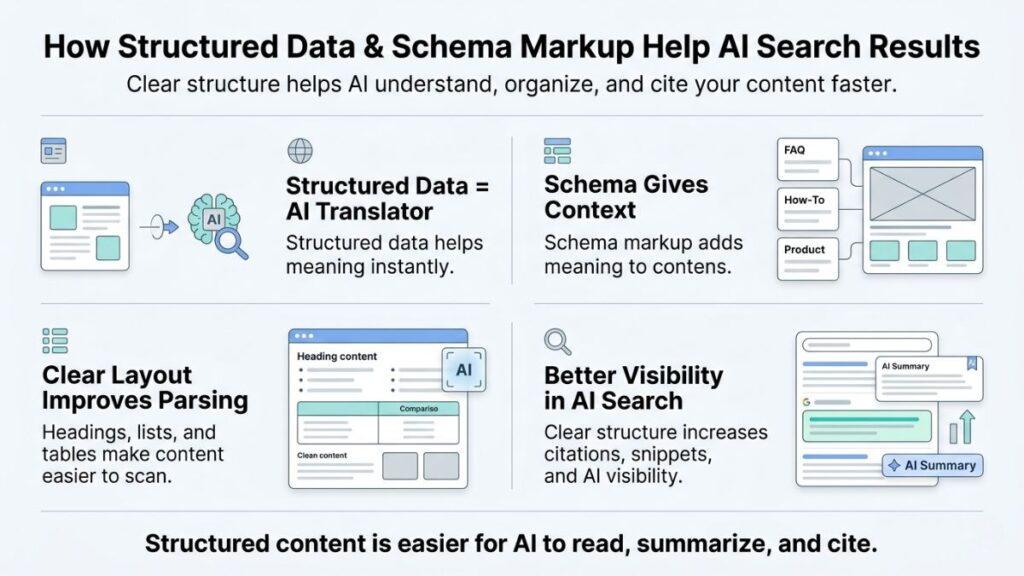
Structured data acts as a translator for AI systems. By including schema hints—such as FAQ, How-To, or Product schemas, you help both users and algorithms grasp the structure of your article instantly.
Using clear section headings that map to common queries and inserting tables or comparison lists helps express layered ideas visually. This technical clarity makes your content easier to parse and significantly increases the likelihood of earning citations in AI summaries and featured snippets.
A zero-click search occurs when an AI search engine provides a complete, direct answer on the results page, often removing the need for the user to click through to a website. While this impacts traditional traffic patterns, the best way to maintain visibility is to write content that truly deserves to be the source of that summary.
In this ecosystem, the result of a successful strategy is becoming a richer resource that readers and AI assistants will trust and share. By focusing on providing the most citable version of a topic, you ensure your brand remains relevant even when the user gets their answer without a click.
Reviving your strategy for the AI era is less about building higher towers of words and more about raising the quality bar. At Ooptiq, we bridge the gap between complex engineering and growth, helping you create content that earns visibility through semantic understanding and real-world context.
Ready to turn AI disruption into your competitive advantage? Let’s audit your content architecture and prepare your SEO strategy for the 2026 search landscape.